
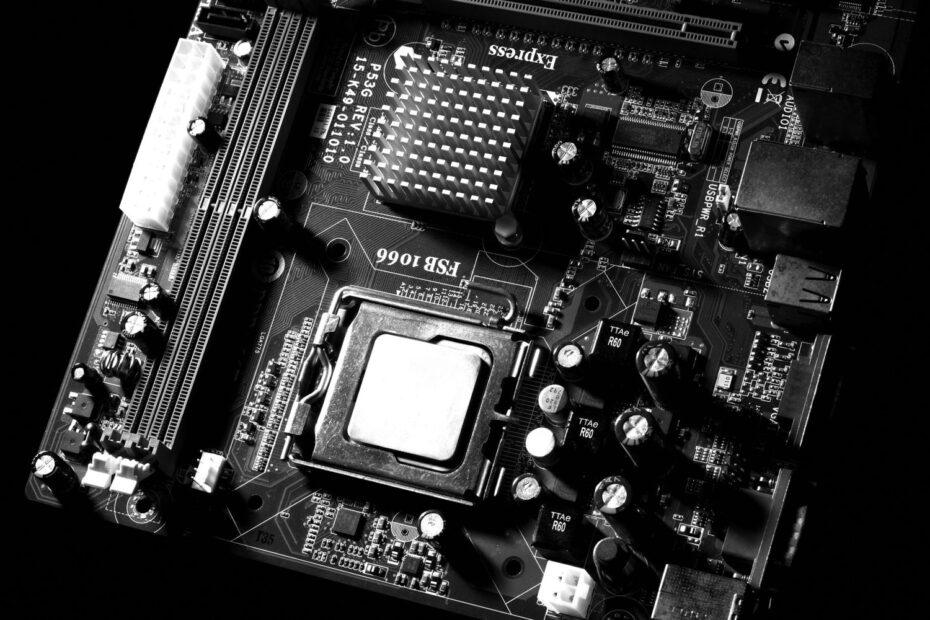
Understanding the Central Processing Unit
The Central Processing Unit (CPU), often called the brain of a computer, is responsible for executing instructions and performing calculations that drive all operations. For decades, the market for desktop and laptop CPUs has been dominated by two major players: Intel and AMD. While both companies produce processors that serve the same fundamental purpose, their approaches to design, architecture, and feature sets lead to distinct differences that can influence a user's experience and system performance.
Architectural Philosophies and Core Design
At the heart of any processor are its cores, which are essentially independent processing units. Intel has historically favored a design that emphasizes high clock speeds and strong single-core performance, often using a more monolithic approach to chip design. AMD, particularly with its Ryzen series, has gained significant traction by focusing on higher core counts and a chiplet-based design. This modular approach allows AMD to produce processors with more cores more efficiently, which can be advantageous for multitasking and highly parallelized workloads. The specific microarchitecture (e.g., Intel's Core architectures like Alder Lake, Raptor Lake; AMD's Zen architectures) dictates how efficiently these cores process data.
Performance Metrics: Cores and Clock Speed
When comparing CPUs, two primary metrics often highlighted are core count and clock speed. Core count refers to the number of processing units within the CPU. More cores generally mean a processor can handle more tasks simultaneously, improving performance in applications that can utilize them, such as video editing, 3D rendering, and running multiple virtual machines. Clock speed, measured in gigahertz (GHz), indicates how many cycles a core can perform per second. Higher clock speeds can lead to faster execution of individual tasks, benefiting applications like gaming and general productivity where single-threaded performance is critical. The interplay between core count and clock speed, along with other factors like cache memory and instruction sets, determines the overall performance of Intel and AMD Processors.
Integrated Graphics Capabilities
Many processors, especially those found in mainstream laptops and budget desktops, include integrated graphics (iGPU) directly on the CPU die. This eliminates the need for a separate graphics card for basic display output and light graphical tasks. Historically, Intel's integrated graphics were often considered superior for general use and media playback, while AMD's integrated graphics, particularly its Radeon-based solutions, have offered stronger performance for light gaming and more demanding visual applications. However, both companies continue to enhance their integrated graphics capabilities with each new generation.
Power Consumption and Efficiency
The thermal design power (TDP) of a processor is a key indicator of its power consumption and heat output. Processors with higher TDPs typically require more robust cooling solutions and consume more electricity. Intel has often focused on delivering high performance, sometimes at the cost of higher power draw in its enthusiast-grade chips. AMD has made significant strides in improving power efficiency, often offering competitive performance with lower power consumption, especially in its mainstream and mobile offerings. This efficiency can translate to longer battery life in laptops and lower energy bills for desktops.
Market Segments and Value Proposition
Intel and AMD compete across various market segments, from entry-level processors for everyday computing to high-end chips for enthusiasts and professionals. Historically, AMD was often seen as the budget-friendly alternative, providing strong performance for the price. With the success of its Ryzen lineup, AMD now competes directly with Intel at all performance tiers, often offering compelling value in the mid-range and high-end markets. Intel continues to hold strong positions in the premium laptop space and certain enthusiast desktop segments. Choosing between them often depends on specific needs, budget, and the particular workload the computer will handle.
Conclusion
The differences between Intel and AMD processors are nuanced and constantly evolving. While Intel has long been known for its strong single-core performance and mature platform, AMD has emerged as a formidable competitor with its high core counts, competitive pricing, and efficient designs. Understanding your primary use case—whether it's gaming, content creation, general productivity, or a mix—will help you navigate the specifications and choose the processor that best fits your requirements and budget.
Related reading