
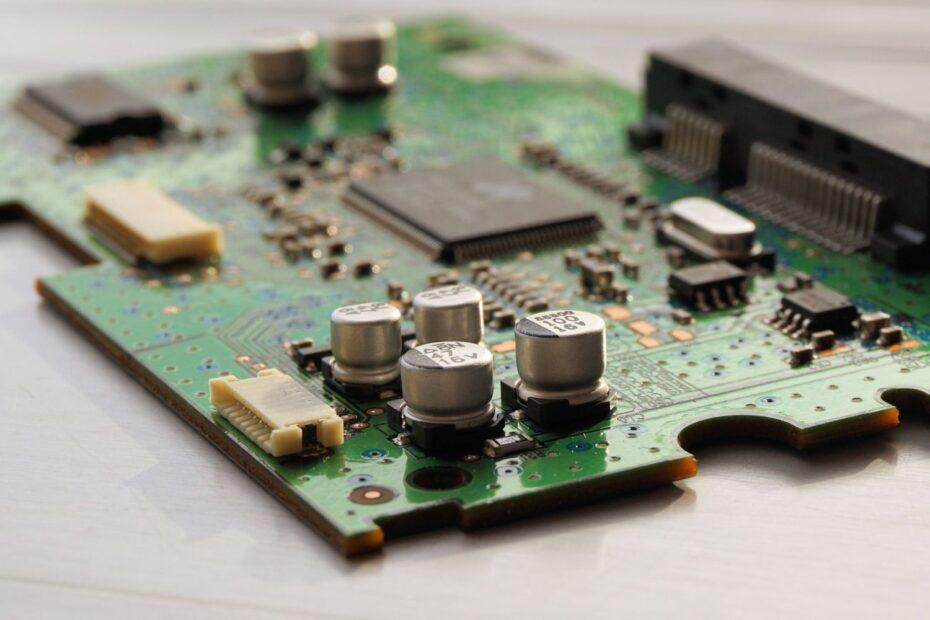
The Central Processing Unit (CPU) is the brain of a computer, but like any brain, it requires a constant and precise supply of energy to function. On a motherboard, the critical components responsible for this essential task are the Voltage Regulator Modules, commonly known as VRMs. These VRMs are not just passive components; they are active power management circuits that convert the raw voltage from the power supply unit (PSU) into the specific, stable voltages required by the CPU. Understanding the role of VRMs on motherboards in power delivery is key to appreciating system stability, performance, and longevity.
What are VRMs and Why Are They Important?
A VRM is essentially a miniature power supply circuit integrated directly onto the motherboard. Its primary job is to take the 12-volt DC power supplied by the PSU and step it down to the much lower, highly regulated voltages that modern CPUs demand, often as low as 1.0 to 1.35 volts. Furthermore, CPUs are dynamic components; their power draw fluctuates significantly based on workload. A VRM must be able to respond instantly to these changes, delivering stable power without significant voltage drops (known as 'vDroop') or spikes, which could lead to instability, performance throttling, or even damage.
The VRM Components and Their Function
A typical VRM circuit comprises several key elements. The most visible are the VRM heatsinks, often found surrounding the CPU socket, which dissipate heat generated during voltage conversion. Beneath these heatsinks lie the core components: MOSFETs (Metal-Oxide-Semiconductor Field-Effect Transistors), inductors (chokes), and capacitors. MOSFETs act as electronic switches, rapidly turning on and off to control the flow of power. Inductors store energy and smooth out the current, while capacitors further filter and stabilize the voltage. The number of these components, particularly the MOSFETs and inductors, often dictates the 'phase' count of the VRM, with more phases generally indicating a more robust power delivery system capable of handling higher power loads and providing finer voltage control.
Impact on CPU Performance and Stability
The quality and design of the VRM system directly influence how well a CPU performs, especially under demanding conditions. A robust VRM setup ensures that the CPU receives clean, stable power even when it's operating at its peak or when overclocked. This stability prevents unexpected shutdowns, system freezes, and performance inconsistencies. Conversely, an inadequate VRM can lead to vDroop, where voltage drops significantly under load, causing the CPU to reduce its clock speed to stay within safe operating parameters. This directly limits performance, even if the CPU itself is capable of more. For users looking to push their hardware, such as gamers or content creators, a motherboard with a strong VRM implementation is essential for stable overclocking and sustained high performance.
Choosing a Motherboard with Adequate VRMs
When selecting a motherboard, especially for higher-end CPUs or for users interested in overclocking, paying attention to the VRM design is prudent. While specifications can sometimes be opaque, looking at the number and quality of MOSFETs, the presence of substantial heatsinks, and reviews that discuss VRM thermals and stability under load can offer insights. Manufacturers often highlight their VRM solutions, using terms like 'digital VRM' or specifying phase counts, which can be indicators of a more capable power delivery system designed to meet the rigorous demands of modern processors.
Related reading
- The Role of the Northbridge and Southbridge in Older Motherboard Architectures
- The Role of Firmware Updates in Maintaining Component Performance and Security