
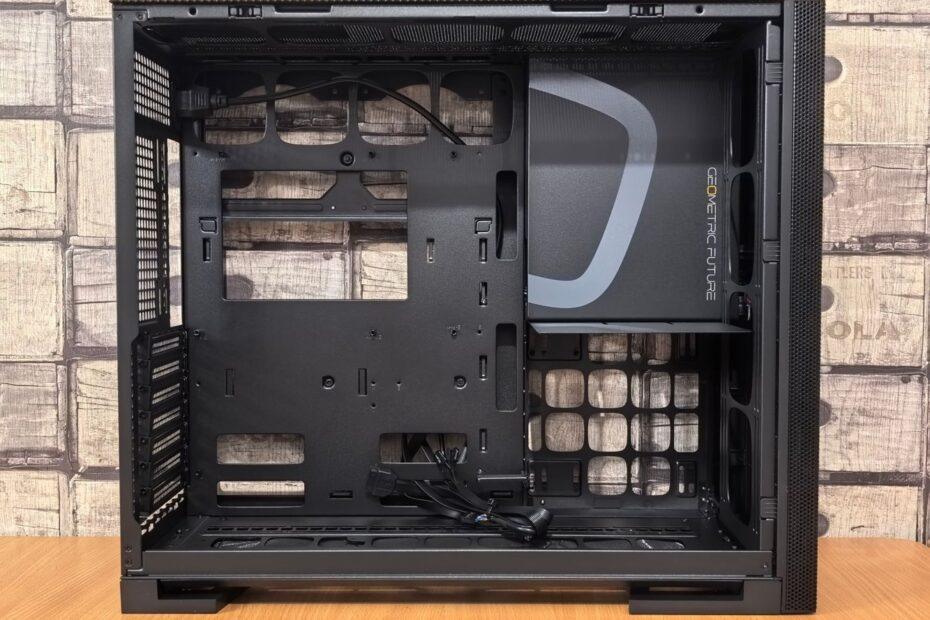
The realm of personal computing extends far beyond mere functionality; for many enthusiasts, it represents a canvas for personal expression and technical innovation. PC case modding, the practice of customizing a computer's physical enclosure, has transformed from a niche hobby into a widespread movement. It encompasses a broad spectrum of modifications, from subtle aesthetic tweaks to comprehensive overhauls involving advanced cooling systems and unique component integration. As technology advances and user expectations evolve, so too do the trends within this creative domain.
Evolving Aesthetics and Material Innovation
A significant trend in modern PC case modding is the sophisticated approach to aesthetics, moving beyond simple paint jobs. Builders are increasingly experimenting with diverse materials, integrating elements like tempered glass panels for unobstructed views of internal components, brushed aluminum for a premium feel, and even custom-cut acrylic for intricate lighting diffusion or structural additions. The focus has shifted towards clean lines, minimalist designs, and a cohesive color palette that complements the internal hardware. Custom-designed shrouds for power supplies and cable management systems are now standard practice, creating a seamless look that hides unsightly wires. This attention to detail elevates a build from a functional machine to a piece of art.
Advanced Cooling Solutions Take Center Stage
Liquid cooling, once considered an advanced modification, is now a prominent feature in many high-end custom builds. Trends are pushing towards more complex and visually striking custom loop water cooling setups. This includes not only CPU and GPU blocks but also extending cooling to RAM modules, motherboards, and even M.2 NVMe drives. The use of hard tubing, meticulously bent to create sharp angles and flowing curves, has gained immense popularity, offering a cleaner and more precise look compared to traditional soft tubing. Complementing these loops are increasingly sophisticated pump and reservoir combinations, often featuring integrated RGB lighting that synchronizes with the rest of the system. The pursuit of optimal thermal performance remains a key driver, but the visual spectacle of a well-executed custom loop is equally important.
The Dominance of RGB and Addressable Lighting
Lighting has always been a crucial element in PC customization, but the advent of addressable RGB (ARGB) LEDs has revolutionized possibilities. Unlike standard RGB, which illuminates an entire strip or component with a single color, ARGB allows for individual control of each LED. This enables dynamic lighting effects, such as chasing patterns, color gradients, and intricate animations that can be programmed and synchronized across multiple components. From RGB fans and RAM modules to custom-lit cable extensions and motherboard accents, builders are creating immersive visual experiences. Software integration is key, allowing users to synchronize lighting effects with system performance, music, or even game events, turning the PC case into an interactive display.
Integration of New Technologies and Functionality
Beyond aesthetics and cooling, modern PC case modding is also embracing the integration of new technologies and enhanced functionality. This includes the incorporation of small OLED or LCD screens to display system temperatures, component status, custom logos, or even live data feeds. Some builders are experimenting with custom fan controllers, integrated charging ports, or even unique mounting solutions for peripherals. The concept of the PC case as a static enclosure is being challenged, with modders exploring ways to make their builds more interactive and adaptable to user needs. Furthermore, the emphasis on airflow and thermal management continues to drive modifications, with builders optimizing vent placement, fan configurations, and internal layouts to ensure components operate at their peak efficiency.
Sustainability and Modularity in Design
While not as visually prominent as lighting or cooling, a growing consideration in PC case modding is sustainability and modularity. This involves using eco-friendly materials where possible, or prioritizing components and modifications that allow for easier upgrades and repairs. Modular case designs, which allow users to reconfigure internal layouts or swap out entire drive cages and mounting brackets, are becoming more desirable. This approach not only simplifies the modding process but also promotes a longer product lifecycle, reducing electronic waste. As the PC enthusiast community matures, there's an increasing appreciation for builds that are not only visually stunning and high-performing but also thoughtfully designed for longevity and environmental consciousness.
The landscape of PC case modding is dynamic, constantly reshaped by technological advancements, emerging design philosophies, and the boundless creativity of PC enthusiasts. From intricate custom water loops and dazzling ARGB light shows to refined material choices and functional integrations, the trend is clear: personal computers are becoming more personalized, more expressive, and more integrated into our digital lives than ever before.
Related reading
- Choosing the Perfect PC Case: Balancing Aesthetics, Airflow, and Component Fit
- How to Choose the Right CPU Cooler for Your Specific Processor and Case