Understanding PC Audio: Sound Cards and Integrated Solutions
The auditory experience on a personal computer is managed by its audio hardware, primarily either a dedicated sound card or integrated audio solutions built directly onto the motherboard. While the function is the same—to process digital audio data into analog signals that speakers or headphones can reproduce—the implementation and capabilities can differ significantly.
The Role of a Sound Card
Historically, a sound card was an essential expansion component for PCs, providing the necessary circuitry for audio input and output. Its core function involved converting digital audio information from the computer into analog sound waves. This process typically included a digital-to-analog converter (DAC) for outputting sound and an analog-to-digital converter (ADC) for capturing audio from microphones or line-in sources. Beyond basic playback, sound cards offered advanced features such as hardware-accelerated audio processing, support for surround sound formats, and dedicated memory for sound effects, which were particularly beneficial for gaming and professional audio applications.
Integrated Audio: The Motherboard's Contribution
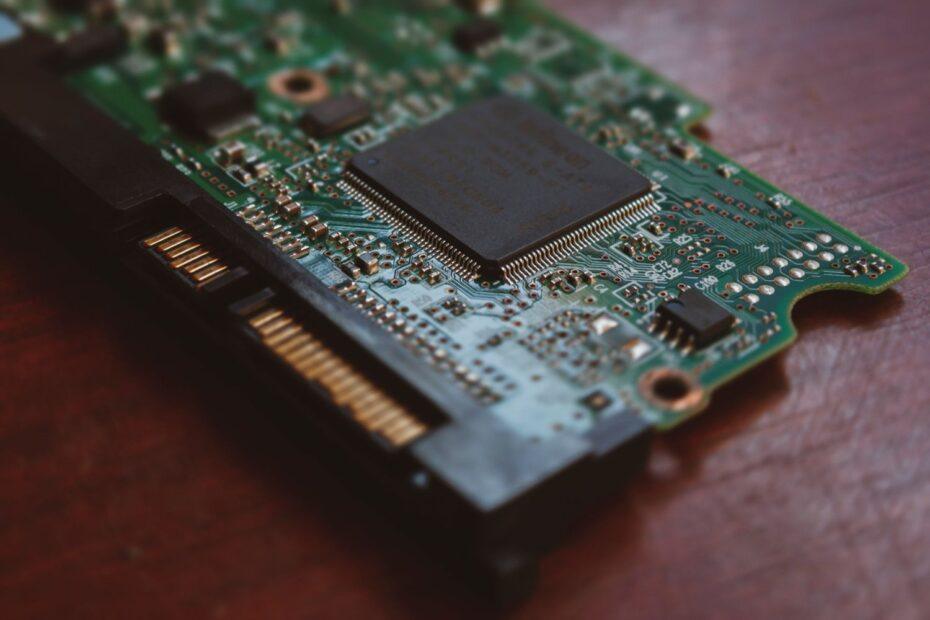
In modern computing, dedicated sound cards are less common in mainstream systems. Instead, audio functionality is largely integrated directly onto the motherboard. These integrated audio solutions, often referred to as onboard audio or audio codecs, utilize chipsets that perform similar functions to a basic sound card. These integrated components handle the essential tasks of audio playback and recording, providing the audio component for multimedia applications. They are designed to meet the everyday needs of users for music, video playback, general computing, and most gaming scenarios. Chipsets meeting standards like AC'97 or newer High Definition Audio (HDA) are common examples of this integrated approach.
Key Functionalities: Processing and Output
Whether integrated or on a separate card, the fundamental functionality remains consistent. The audio hardware receives digital audio streams from the operating system or applications. It then processes this data, often applying digital signal processing (DSP) for effects or equalization, before converting it into an analog signal. This analog signal is amplified to a level suitable for driving external audio devices like speakers or headphones through output jacks. For input, microphones or other audio sources send analog signals to the audio hardware, which converts them into digital data for the computer to process and record. This cycle is crucial for any task involving sound, from a simple system notification to complex audio editing or immersive gaming environments.
When to Consider a Dedicated Sound Card
While integrated audio solutions have improved dramatically and suffice for most users, dedicated sound cards still offer advantages for specific user groups. Audiophiles, professional musicians, podcasters, and serious gamers might opt for a dedicated card to gain superior audio quality, lower latency, more robust connectivity options (like professional audio interfaces or more versatile output configurations), and advanced features not found on integrated solutions. These cards often feature higher-quality DACs and ADCs, better shielding against electrical interference, and more powerful DSP capabilities, leading to a more refined and controllable audio experience.
Conclusion
In essence, both dedicated sound cards and integrated audio solutions serve the vital purpose of enabling sound on a PC. Integrated audio has become the standard for general users, offering a cost-effective and capable solution for everyday audio needs. However, for those demanding the highest fidelity, lowest latency, or specialized audio functionalities, a dedicated sound card remains a valuable component in a modern PC build.