
Understanding Memory Channels
The speed at which a computer's processor can access and process data is a fundamental aspect of its performance. While CPU clock speeds and core counts often take center stage, the efficiency of data transfer between the CPU and Random Access Memory (RAM) plays an equally critical role. This is where memory channels come into play. Essentially, memory channels act as data highways, dictating how many lanes are available for data to travel between the CPU's memory controller and the RAM modules. More channels mean more lanes, which can translate to higher theoretical bandwidth and improved system responsiveness.
Single vs. Dual-Channel Memory Configurations
Historically, most systems operated in single-channel mode, where the memory controller communicated with RAM modules over a single 64-bit data path. This configuration, while functional, could become a bottleneck as processing demands increased. The introduction of dual-channel memory architecture revolutionized performance by effectively doubling the data path width to 128 bits (two 64-bit paths operating in parallel).
How Dual-Channel Works
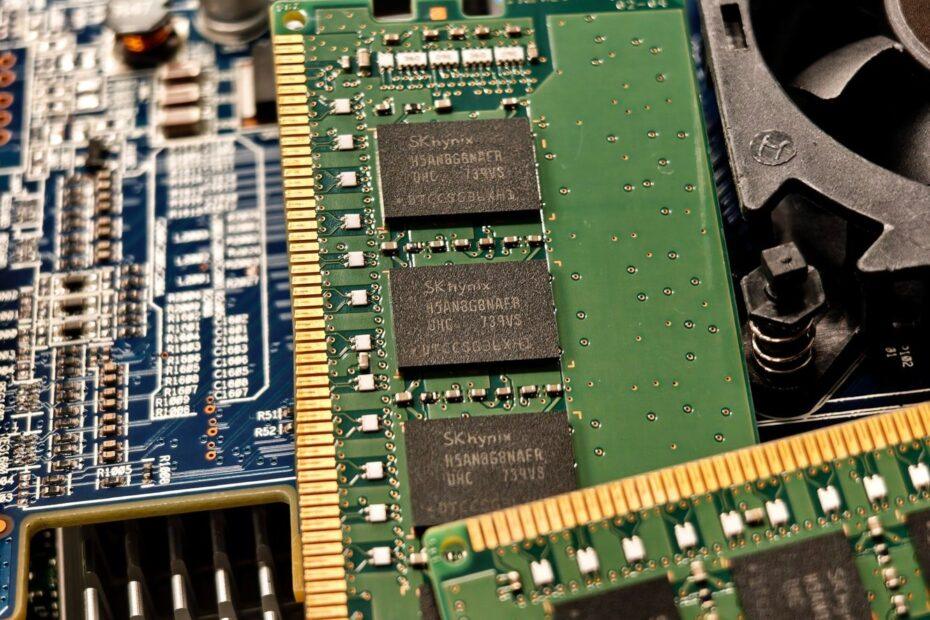
In a dual-channel setup, two identical RAM modules are installed in specific slots on the motherboard, as dictated by the motherboard manufacturer's manual. The memory controller then treats these two modules as a single, wider channel, allowing it to read and write data to both simultaneously. This parallel operation significantly increases the theoretical maximum memory bandwidth. For tasks that are memory-intensive, such as gaming, video editing, or running virtual machines, the benefits of dual-channel can be quite noticeable, leading to smoother performance and reduced load times.
The Evolution to Quad-Channel and Beyond
As computing power continued to advance, particularly in high-performance workstations and servers, the need for even greater memory bandwidth became apparent. This led to the development of quad-channel memory architecture. Quad-channel configurations typically utilize four 64-bit data paths, effectively creating a 256-bit wide interface between the memory controller and RAM. This setup is most commonly found on Intel's High-End Desktop (HEDT) platforms and AMD's Threadripper platforms, designed for professionals and enthusiasts who require extreme memory throughput for demanding workloads like complex simulations, large dataset analysis, and professional 3D rendering.
Impact on System Throughput
The term 'system throughput' refers to the overall rate at which a system can process data and complete tasks. While CPU performance is a major factor, memory bandwidth acts as a critical enabler. When the CPU can access data from RAM much faster, it spends less time waiting and more time performing computations. This increased efficiency directly translates to higher system throughput. For example, integrated graphics processors (IGPs), which use system RAM as their video memory, see a substantial performance boost with dual-channel or quad-channel configurations because they have more bandwidth available for graphics operations.
Choosing the Right Configuration
When building or upgrading a PC, understanding the capabilities of your motherboard and CPU regarding memory channels is essential. Most mainstream consumer motherboards support dual-channel memory. To enable it, users must install RAM modules in matched pairs, usually in specific slots marked on the motherboard. For platforms supporting quad-channel, installing four or eight matched modules is necessary to take full advantage of the architecture. While the theoretical gains are significant, the actual performance improvement can vary depending on the specific application and other system components. However, for memory-bound tasks, investing in a multi-channel setup is a practical way to enhance overall system performance and ensure components like the CPU are not starved for data.
Related reading